Memorial Day: Honoring Sacrifice, Remembering Heroes
- Introduction: More Than Just a Long Weekend
- The Deep Roots of a Day of Remembrance
- From Decoration Day to Memorial Day
- Modern Memorial Day Traditions and Their Meaning
- The National Moment of Remembrance: A Collective Pause
- Clarifying the Difference: Memorial Day vs. Veterans Day
- Putting the “Memorial” Back into Memorial Day
- Conclusion: An Enduring Debt of Gratitude
Memorial Day is a federal holiday in the United States for honoring and mourning the U.S. military personnel who died while serving in the United States Armed Forces. It’s a day I’ve always felt holds a profound weight, far beyond the barbecues and retail sales that often mark the unofficial start of summer. While those activities have become part of the fabric of the long weekend, the true purpose of this day of remembrance is to pause, reflect, and honor the incredible sacrifices made by those who gave their lives in service to our nation. Understanding the history and meaning behind Memorial Day can transform it from just another day off into a deeply meaningful occasion.
The Deep Roots of a Day of Remembrance
The origins of Memorial Day are steeped in the aftermath of the American Civil War, a conflict that claimed more lives than any other in U.S. history. In the years following the war, communities across the nation, both North and South, began holding springtime tributes to their countless fallen soldiers. They would decorate the gravesites with flowers, flags, and prayers – a practice that led to the holiday’s original name, “Decoration Day.”
While numerous towns and cities claim to be the birthplace of this tradition, the federal government officially recognized Waterloo, New York, as the holiday’s origin in 1966. Waterloo first celebrated the day on May 5, 1866, with businesses closed and residents decorating soldiers’ graves. However, it’s worth noting the story of women in Columbus, Mississippi, who in 1866 decorated the graves of both Confederate and Union soldiers, a gesture seen by some as an early step toward reconciliation.
From Decoration Day to Memorial Day
The formal observance of Decoration Day was established by Major General John A. Logan, the head of the Grand Army of the Republic (GAR), an organization for Union Civil War veterans. On May 5, 1868, Logan issued a proclamation calling for a nationwide day of remembrance on May 30th. He chose this date because it wasn’t the anniversary of any particular Civil War battle. The first large national observance took place that year at Arlington National Cemetery.
Initially, Decoration Day primarily honored those who died fighting in the Civil War. However, after World War I, when the United States was involved in another major global conflict, the holiday evolved. It expanded to commemorate all American military personnel who died in *all* wars, including World War II, the Korean War, the Vietnam War, and more recent conflicts in Iraq and Afghanistan.
For decades, the holiday was observed on May 30th. But in 1968, Congress passed the Uniform Monday Holiday Act, which moved Memorial Day to the last Monday in May. This change, which took effect in 1971 when it was also officially declared a federal holiday, created the familiar three-day weekend. While this has led to Memorial Day often being seen as the start of summer and a time for leisure, it also, unfortunately, contributed to some of the public’s “nonchalant observance” of the day’s true meaning.
Modern Memorial Day Traditions and Their Meaning
Today, Memorial Day is observed in various ways across the country, blending solemn traditions with more celebratory activities. While the long weekend often kicks off summer with barbecues and gatherings, the core purpose remains honoring the fallen.
Common traditions include:
- Visiting Cemeteries and Memorials: This is perhaps the most direct way to honor the fallen. People visit national and local cemeteries to pay respects, often placing American flags (specifically small ones on graves) or flowers on gravesites. The “Flags In” ceremony at Arlington National Cemetery, where soldiers place flags on over 260,000 graves, is a powerful example.
- Attending Parades and Services: Many towns and cities host Memorial Day parades featuring military personnel and veterans’ organizations. Formal memorial services are held at cemeteries and public spaces, often including wreath-laying ceremonies, speeches, and the playing of “Taps.”
- Flying the Flag: The U.S. flag is traditionally flown at half-staff from sunrise until noon on Memorial Day, then raised to full-staff until sunset. This symbolizes mourning in the morning and then the nation’s resolve to continue in the afternoon.
- Wearing a Red Poppy: Inspired by Lieutenant Colonel John McCrae’s poem “In Flanders Fields,” wearing a red poppy has become a tradition to remember those lost in war, particularly associated with World War I. Moina Michael is credited with campaigning to make the poppy a national symbol of remembrance in the U.S.

This image is a fictional image generated by GlobalTrendHub.
The National Moment of Remembrance: A Collective Pause
Recognizing that the holiday’s true meaning was sometimes overshadowed by leisure, Congress passed the National Moment of Remembrance Act in 2000. This act encourages all Americans to pause at 3:00 p.m. local time for one minute of silence to remember and honor those who have died in service to the nation.
This national moment of remembrance is a powerful opportunity for collective reflection, no matter where you are or what you’re doing. Whether you’re at a barbecue, driving, or simply at home, taking that minute to pause is a simple yet significant way to pay tribute. As Carmella LaSpada, the founder of the non-profit No Greater Love and the inspiration behind the moment, puts it, “It’s a way we can all help put the memorial back in Memorial Day.”
Clarifying the Difference: Memorial Day vs. Veterans Day
It’s surprisingly common for people to confuse Memorial Day with Veterans Day, and I’ve definitely heard folks mix them up. While both holidays honor military service, their focus is distinct. Memorial Day is specifically for honoring and mourning the military personnel who died while serving in the U.S. Armed Forces. It’s about remembering the fallen and the ultimate sacrifice they made.
Veterans Day, observed on November 11th, honors *all* those who have served in the United States Armed Forces, whether in wartime or peacetime, living or deceased. Think of Veterans Day as a day to thank and recognize everyone who has worn the uniform, while Memorial Day is reserved for solemn remembrance of those who made the ultimate sacrifice.
Putting the “Memorial” Back into Memorial Day
In recent years, there’s been a conscious effort to reinforce the solemn nature of this day of remembrance. The shift to a three-day weekend, while offering a welcome break, has arguably diluted the holiday’s original intent for some. As an observer, I’ve seen how easily the focus can shift to sales events, travel, and recreation.
How can we ensure the true meaning isn’t lost? Actively participating in the National Moment of Remembrance is a fantastic start. Beyond that, consider visiting a local cemetery, attending a memorial service, or learning about the history of the holiday and the conflicts in which Americans have served. Educating younger generations about the sacrifices made is also crucial. Supporting organizations that assist Gold Star families (families who have lost a loved one in military service) is another meaningful way to honor the fallen. For instance, donating to or volunteering with groups like TAPS (Tragedy Assistance Program for Survivors) provides support to those grieving the loss of a military loved one.
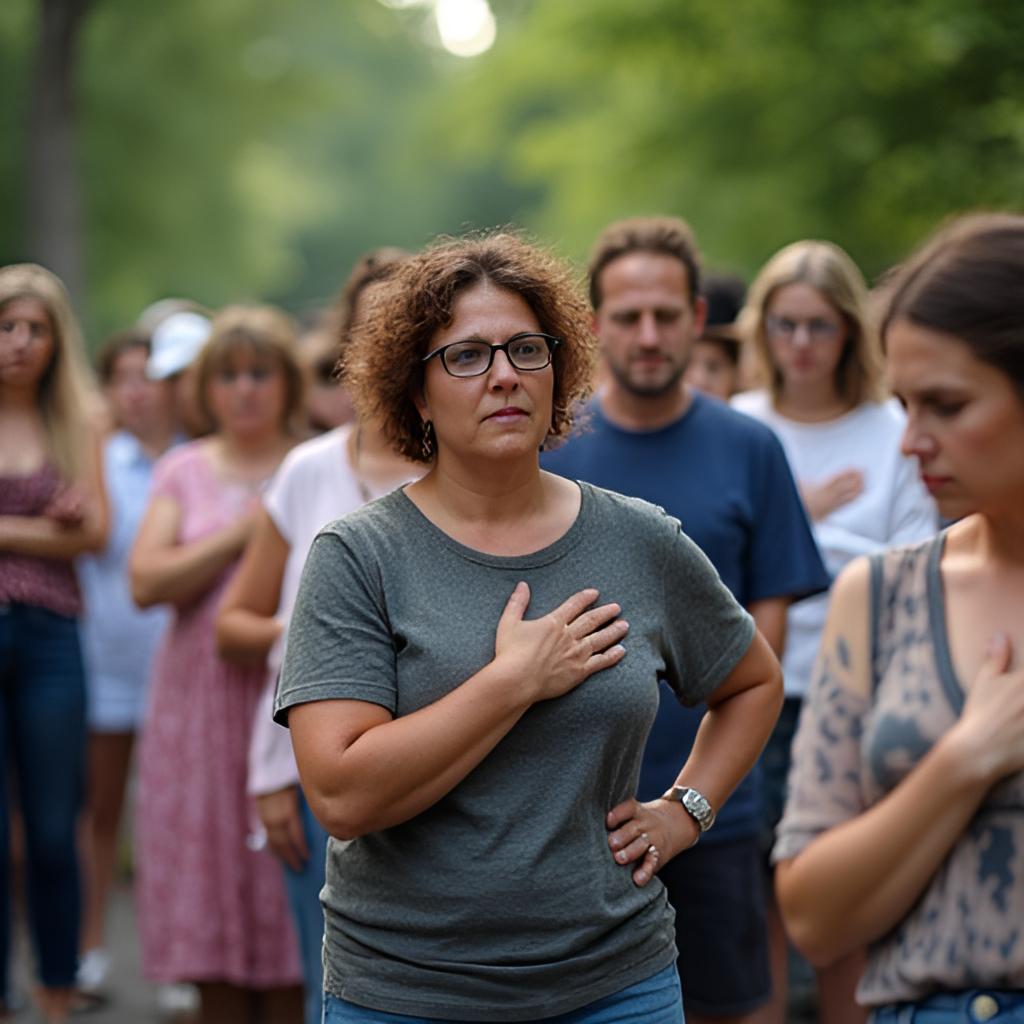
This image is a fictional image generated by GlobalTrendHub.
It’s about striking a balance. Enjoying time with family and friends is understandable, especially as summer begins, but it shouldn’t come at the expense of remembering why we have that freedom to enjoy these moments. Taking a few minutes to reflect, share stories, or simply be silent in remembrance can make a world of difference. It ensures that the phrase “All that the consecrated wealth and taste of the nation can add to their adornment and security, is but a fitting tribute to the memory of her slain defenders” rings true not just in grand ceremonies, but in our personal lives as well.
Our debt to the heroic men and valiant women in the service of our country can never be repaid. They have earned our undying gratitude. America will never forget their sacrifices. This day is our national promise to uphold that.
Conclusion: An Enduring Debt of Gratitude
Memorial Day is more than just a long weekend or the start of summer; it is a vital national observance dedicated to honoring and mourning the U.S. military personnel who made the ultimate sacrifice. From its origins as Decoration Day in the wake of the Civil War to its evolution as a day to remember the fallen from all conflicts, Memorial Day serves as a powerful reminder of the cost of freedom. Taking the time to understand its history, participate in traditions like the National Moment of Remembrance, and actively remember the heroes who died in service allows us to truly honor their legacy and ensure their sacrifice is never forgotten. It’s an enduring debt of gratitude we carry, a solemn promise to remember those who gave everything.